Founder's Take: Remembering Through Stories
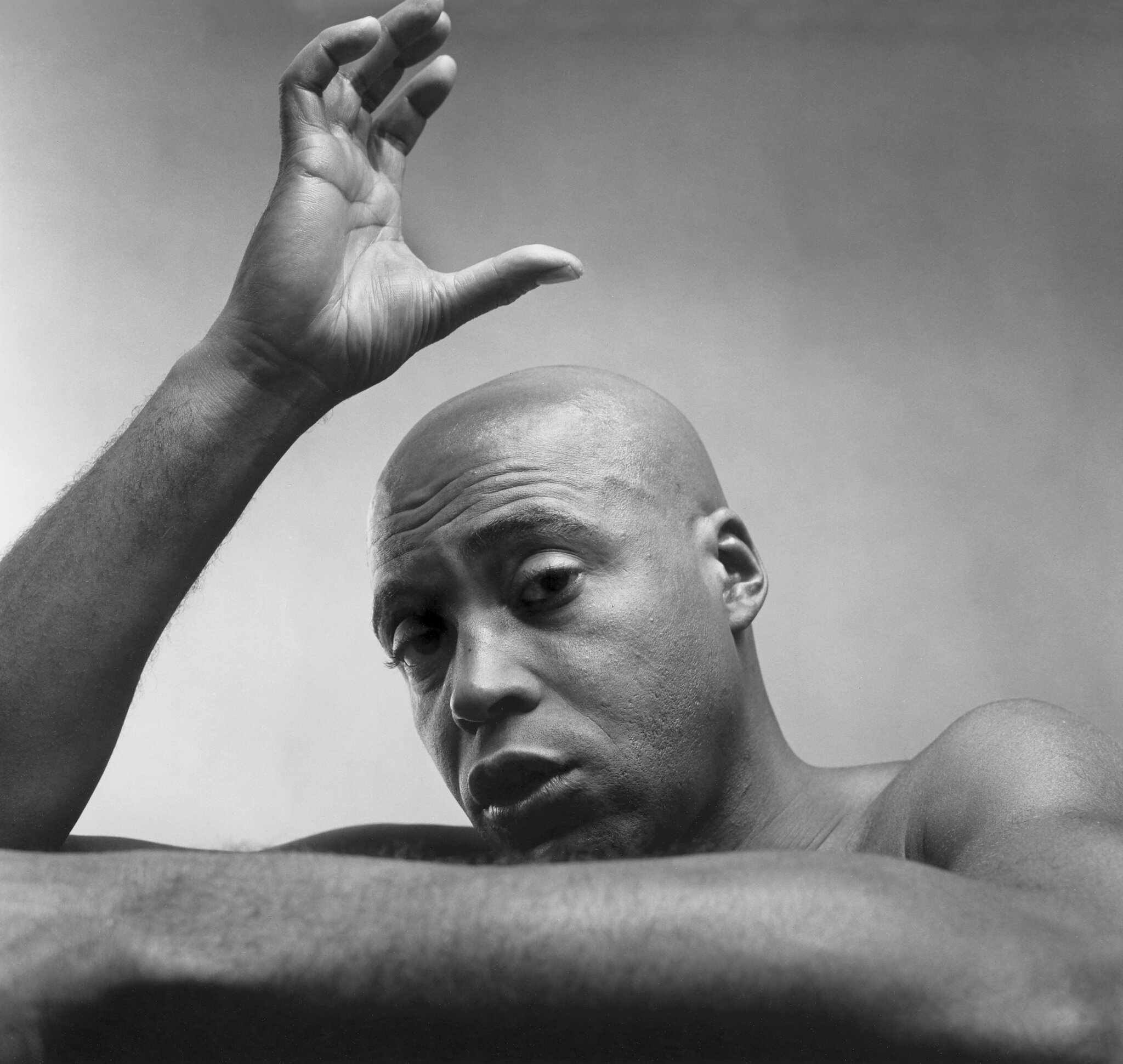
Far too many stories I tell about someone else end up becoming stories I tell about someone allowing me to see myself truer. It’s the tragedy of going to prison as a sixteen-year-old, long before I’d had the experiences or sense of knowing who I was. And still, some of the stories become the best ways to remember the people. When I met Aggie Gund, I was running late. I’d been invited by Elizabeth Alexander to meet with Aggie and a group of others about the beginning of Art for Justice.
Continue Reading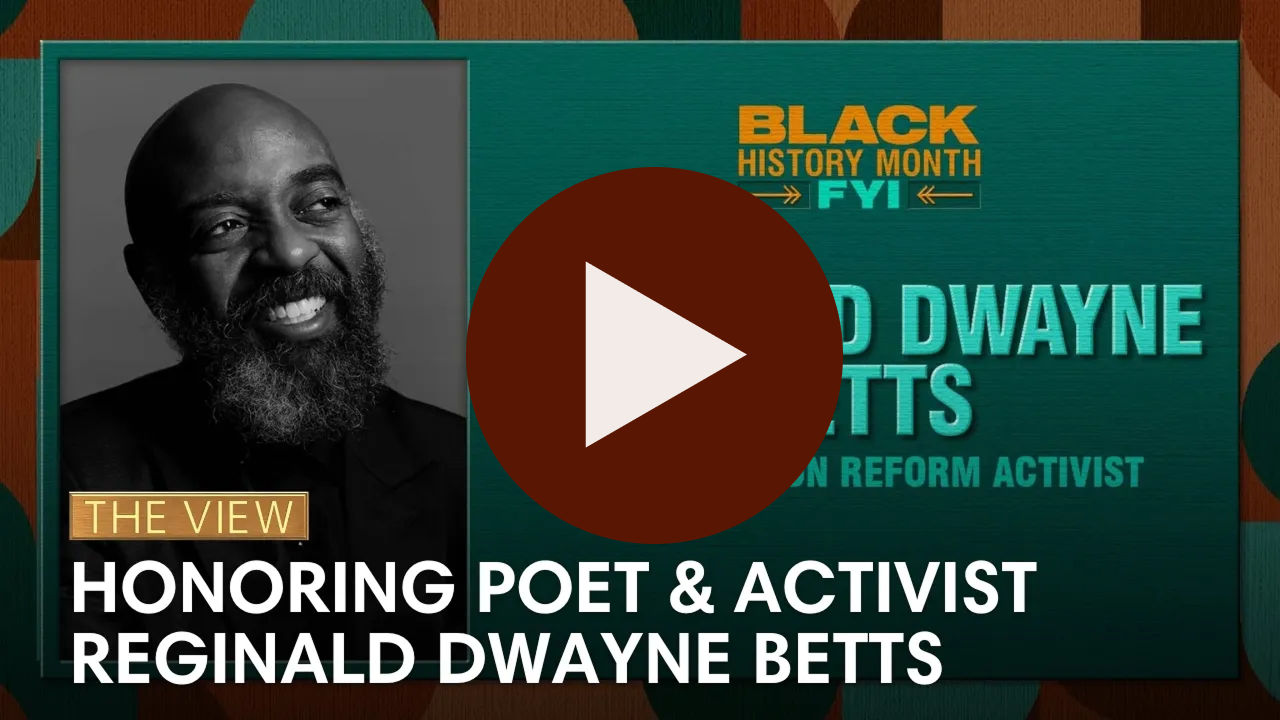
Why a Cellmate is Not like a Roommate
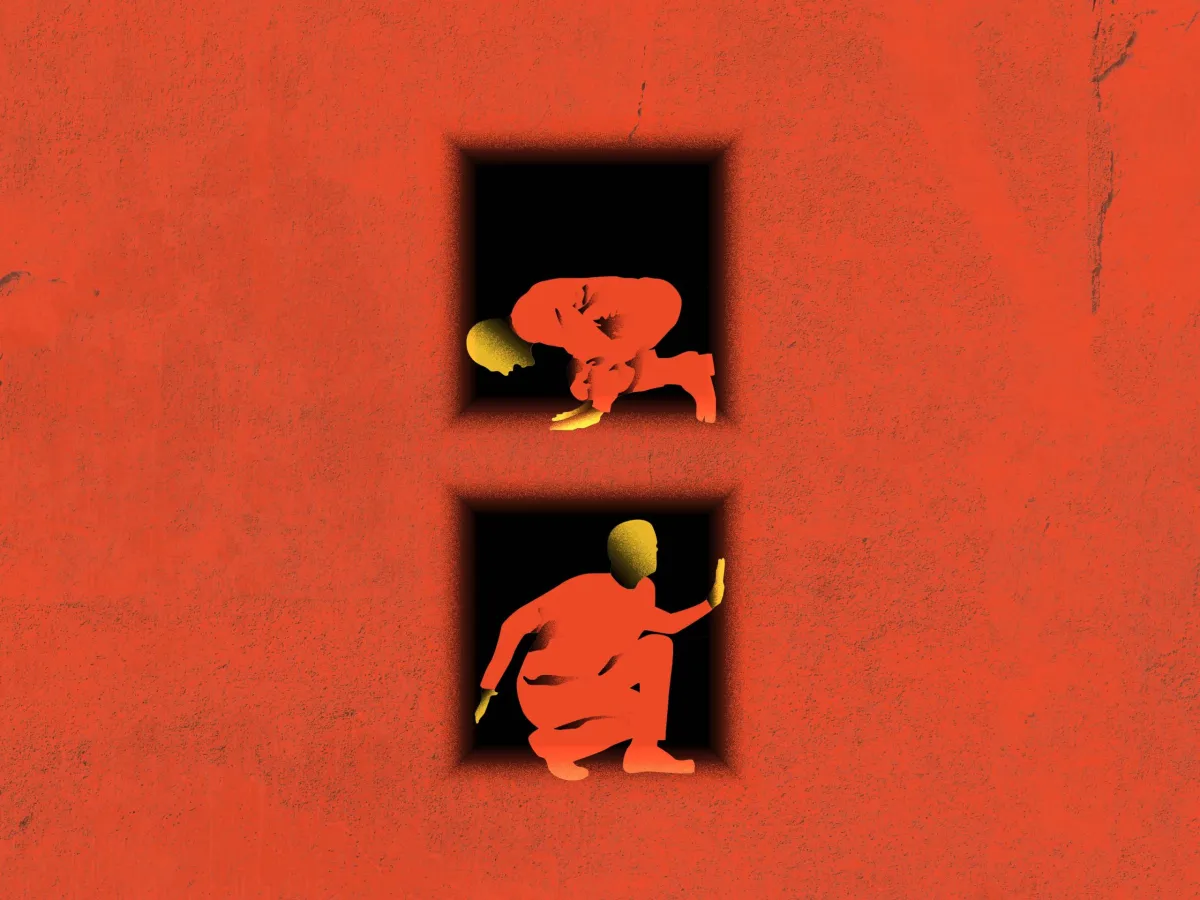
“The prison is like an isolated town with nowhere to go. And the cell is our whole house,” Biktor B. writes, adding that this “house” is shared by complete and often incompatible strangers, who have next to nothing in common.
What Is it Like to Live in a Halfway House?
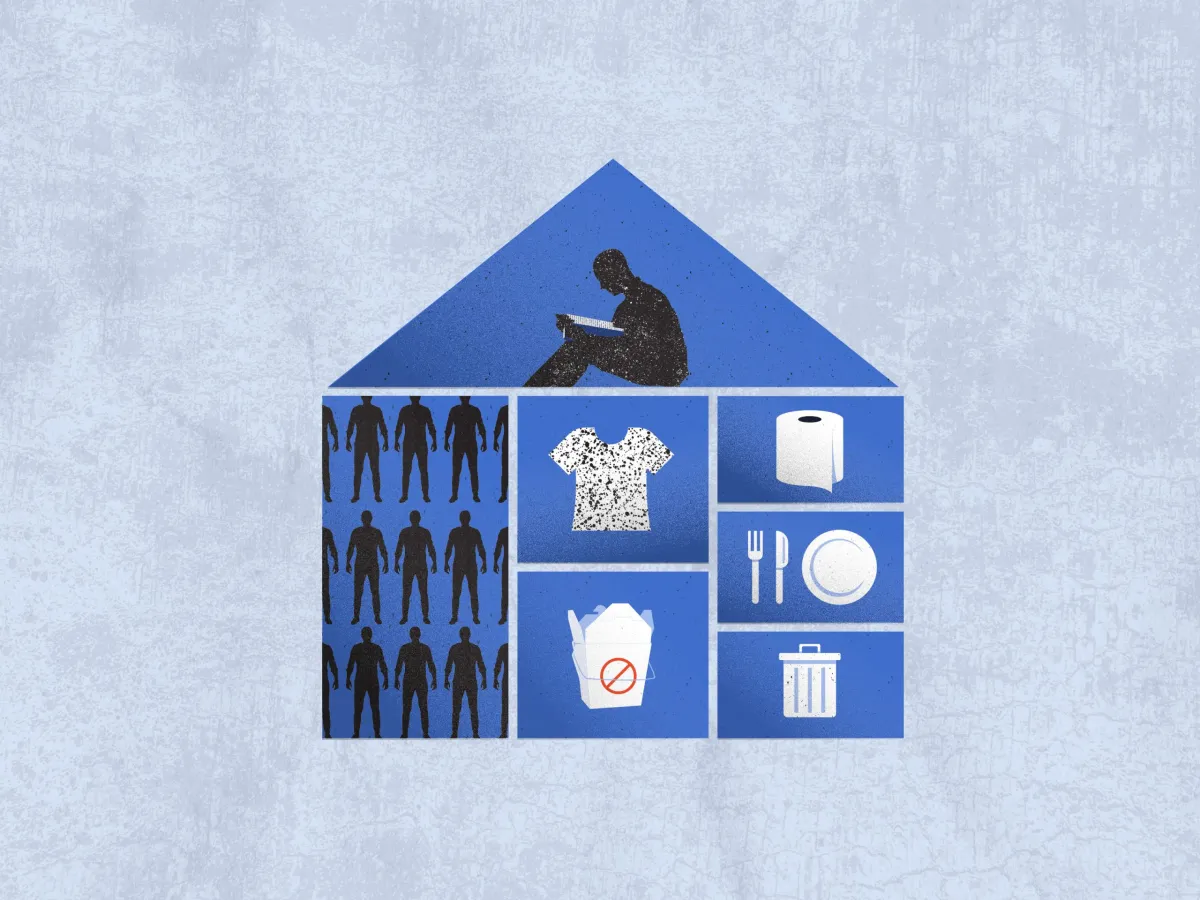
Kashawn Taylor writes about the expectations and realities of living in a halfway house after leaving prison, noting “it feels like freedom, with an asterisk.”
Latest Episode
The Past's Presence: Jesmyn Ward
In today’s episode, Jesmyn Ward reads from her third novel, Sing, Unburied, Sing, which is at once a bildungsroman, a ghost story, an epic, and a road novel. In portraying the suck of Parchman Prison on the generations of one Mississippi family, Ward deftly explores how the real threat of incarceration haunts these psyches and, in turn, these familial relationships. In this moving conversation, Ward reflects on living with grief, on listening for communications from beyond our immediate reality, and on the central commitments of her work: to restore agency to the kinds of characters too often denied a voice—and to grant acceptance to the ones harder to forgive. (July 26, 2021)